How Travelling With a Theme Slowed Me Down
For a long time, I travelled the Philippines the same way many visitors do. I moved quickly, followed familiar routes, and aimed for places I already knew the names of. Beaches, viewpoints, waterfalls, food stops. It was enjoyable, but it was also fast. Too fast. Towns became waypoints rather than places, and entire days blurred into bus rides and ferry crossings.
Everything shifted when I started travelling with themes.
Not grand themes or academic ones, but personal, slightly odd interests that gave my journeys structure without turning them into rigid plans. Over time, those themes began to shape how I moved, where I stopped, and how I connected with the places I passed through.
In the Philippines, a few themes now guide almost every trip I take.
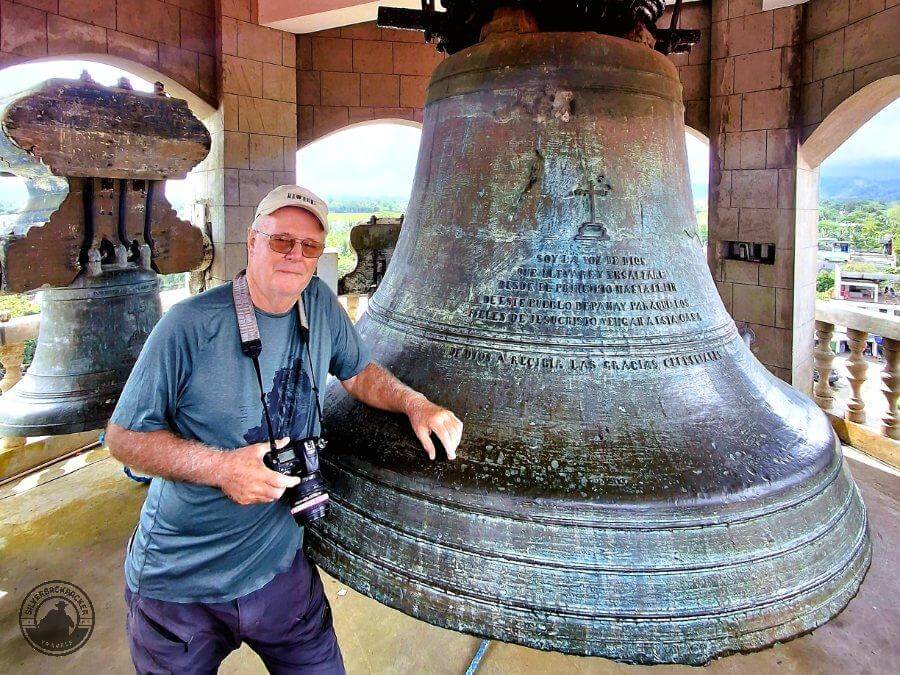
I photograph Rizal monuments, always while physically standing in the town where they are located. I stop for police cars with the town name painted on the side and document them in place. I search out church bells, reading their inscriptions and climbing bell towers where possible. I spend time at barangay and municipal halls, and I make a point of finding kilometre zero markers, those modest posts that quietly declare the centre of a town.
None of these appear on tourist itineraries. That’s exactly the point.

Themes force you to slow down
Travelling with themes immediately changed my pace. You can’t rush when your interest lies in details that most people walk straight past. A Rizal monument isn’t something you spot at 60 kilometres an hour from a bus window. A kilometre zero marker doesn’t announce itself with a signboard. A bell tower climb takes time, permission, and often a conversation or two.
Instead of racing through towns, I now arrive with intention. I walk. I look around. I ask questions. I sit on benches in plazas that would otherwise be nothing more than photo backdrops.
Slowing down isn’t accidental when you travel this way. It’s built into the process.

Ordinary places become essential stops
One of the biggest changes is how I see towns that most travellers barely register. Places that don’t have famous beaches or mountain views still have municipal halls. They still have police stations, churches, monuments, and markers that define how the town sees itself.
A police car with the town name printed on its side might seem trivial, but it tells you something about local identity and pride. It anchors you to a specific place, not just a province or region. Photographing it only while physically there matters to me. It’s proof of presence, not just research.
Barangay halls are another quiet favourite. They’re practical, functional buildings, but they’re also the nerve centres of everyday governance. Sitting nearby, watching people come and go, gives you a sense of how the town actually works, not how it presents itself to visitors.


Rizal monuments as geographic anchors
Rizal monuments are everywhere in the Philippines, but no two feel exactly the same. Some are grand, others modest, some carefully maintained, others weathered and overlooked. By deliberately seeking them out, I’ve found myself in plazas and town centres I would otherwise have passed through without stopping.
Standing beside a Rizal monument in a small town forces you to pause and orient yourself. You’re almost always at the civic heart of the place. From there, everything else fans out naturally: the church, the municipal hall, the market, the main road.
It’s a simple theme, but it quietly rewires how you navigate a town.
Church bells tell stories you won’t find online
Churches are often photographed for their façades, but the bells are where the real stories hide. Dates, donor names, Spanish inscriptions, wartime replacements. Some bells have survived earthquakes, fires, and occupations. Others are newer, standing in for originals that disappeared decades ago.
Climbing bell towers, when allowed, is never rushed. There are steps to negotiate, narrow ladders, dust, and the faint smell of old wood and stone. It’s physical, slow, and slightly uncomfortable — which is part of why it feels meaningful.
The view from the top is rarely dramatic, but it’s honest. Rooftops, backstreets, schoolyards. Life continuing at its own pace.

Kilometre zero markers and the idea of centre
Finding kilometre zero posts has taken me down unexpected roads. They’re not always clearly marked, and sometimes even locals aren’t sure where they are. Asking about them often sparks conversations that drift into stories about how the town grew, where the old roads ran, and why the centre shifted over time.
There’s something grounding about standing at a town’s declared starting point. It reminds me that every place has its own internal logic, independent of how outsiders see it.


Themes change how people talk to you
When locals realise you’re interested in something specific, and slightly unusual, the tone of conversations changes. You’re no longer asked where you’re going next, but why you’re interested in this particular thing.
Explaining that I’m documenting bells, monuments, or kilometre markers often leads to someone offering to show me another one nearby, or telling me about something that used to exist but no longer does. These aren’t rehearsed stories. They’re personal recollections.
That’s where the best moments live.

Planning becomes looser, not tighter
Travelling with themes hasn’t made my trips more rigid. If anything, it’s made them more flexible. I don’t need a packed schedule because I know what I’m looking for. One town might hold my attention for an hour, another for an entire afternoon.
If I hear about a bell tower in the next municipality, I adjust. If a town turns out to have little that fits my interests, I move on without regret. The theme gives me direction without pressure.

Why themed travel stays with me
Long after the journey ends, these trips are easier to remember and easier to write about. Each photograph is anchored to a specific place and moment. Each stop had a reason, even if that reason was simply curiosity.
Travelling the Philippines with themes hasn’t made my journeys smaller. It’s made them deeper. It’s taught me to slow down, to notice, and to respect the everyday markers that define a town’s identity.
Hidden places and meaningful stories aren’t hidden at all. They’re right there, waiting for someone willing to stop and look closely.

You don’t need to be an expert
A common misconception is that you need specialist knowledge to travel with a theme. You don’t. Curiosity is enough. In fact, not being an expert can be an advantage. It gives people space to explain things in their own words, and it keeps you open to learning.
The most important part is choosing a theme that genuinely interests you. Not one that sounds impressive, but one that you’re happy to think about day after day.

Travel with intention, not expectation
Selecting a travel theme isn’t about restricting yourself. It’s about travelling with intention. It sharpens your awareness and gives meaning to places that might otherwise slip past unnoticed.
Sometimes, all it takes is one simple idea to turn an ordinary trip into something that stays with you for years.

SILVERBACKPACKER
Essential Travel Guides
How Travelling With a Theme
Slowed Me Down
Check Out These Related Posts
If you enjoyed reading “How Travelling With a Theme Slowed Me Down " then please share this page with your friends.
Leave a comment below to let me know what you liked best.
Follow Silverbackpacker on Facebook, Instagram , Bluesky and Pinterest for more travel adventures and be notified about my latest posts and updates!
Thankyou for sharing 🙂
Please Note - All blog post photos on Silverbackbacker.com are of a lower quality to enable faster loading and save you data. If you would like to buy or license higher quality copies of any of the photographs you can email us at silverbackpackertravels@gmail.com
All photographs and content on this website remain the property of Silverbackpacker.com. Images may not be downloaded, copied, reproduced or used in any way without prior written consent.
Print purchases entitle the purchaser to the ownership of the image but not to the copyrights of the image which still remain with Silverbackpacker.com even after purchase.

Follow Silverbackpacker for more of his Travels
Facebook @silverbackpacker | Instagram @silverbackpacker
Twitter @silverbackpaker | Pinterest @silverbackpaker
Audere Est Facere - Silverbackpacker.com - To Dare is To Do
Affiliate Disclaimer: Links on this website may be affiliate links that could result in us receiving compensation when you purchase a product or service from that link. You do not pay any extra fees for these items. This helps us to keep this website going. Thank you for your support.
Disclaimer | Privacy Policy | Cookie Statement © All Rights Reserved