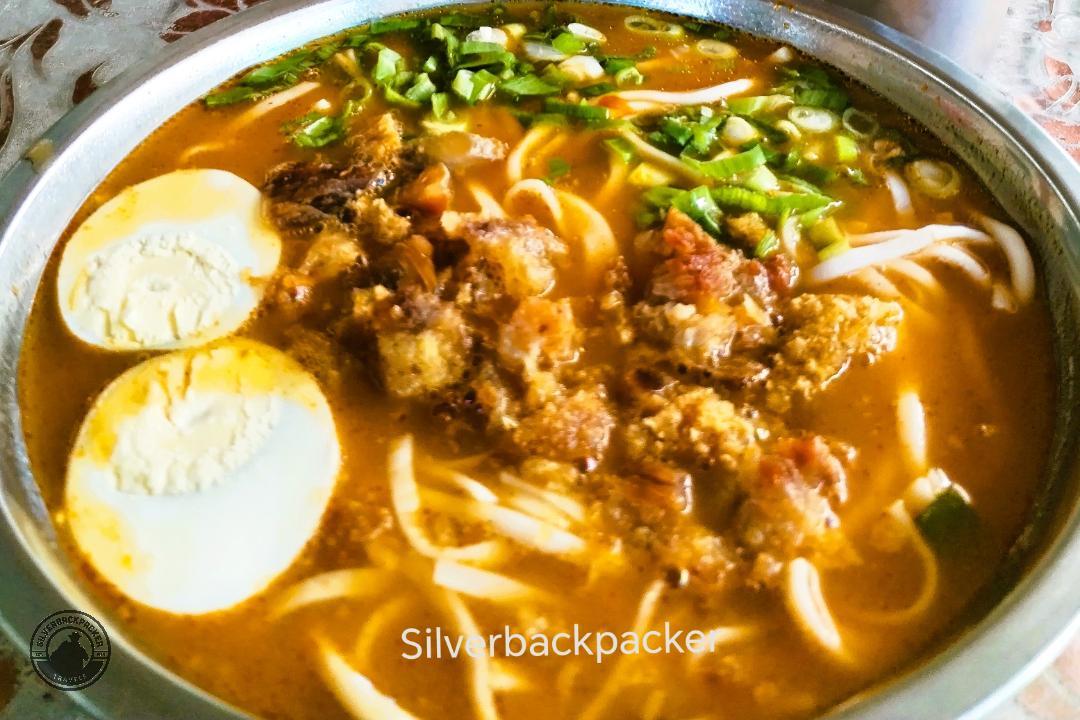
A Bowl of Home: The Quiet Joy of Abra Miki
There are dishes you eat, and there are dishes you come home to. In the province of Abra, one bowl in particular carries that feeling of home: Abra Miki.
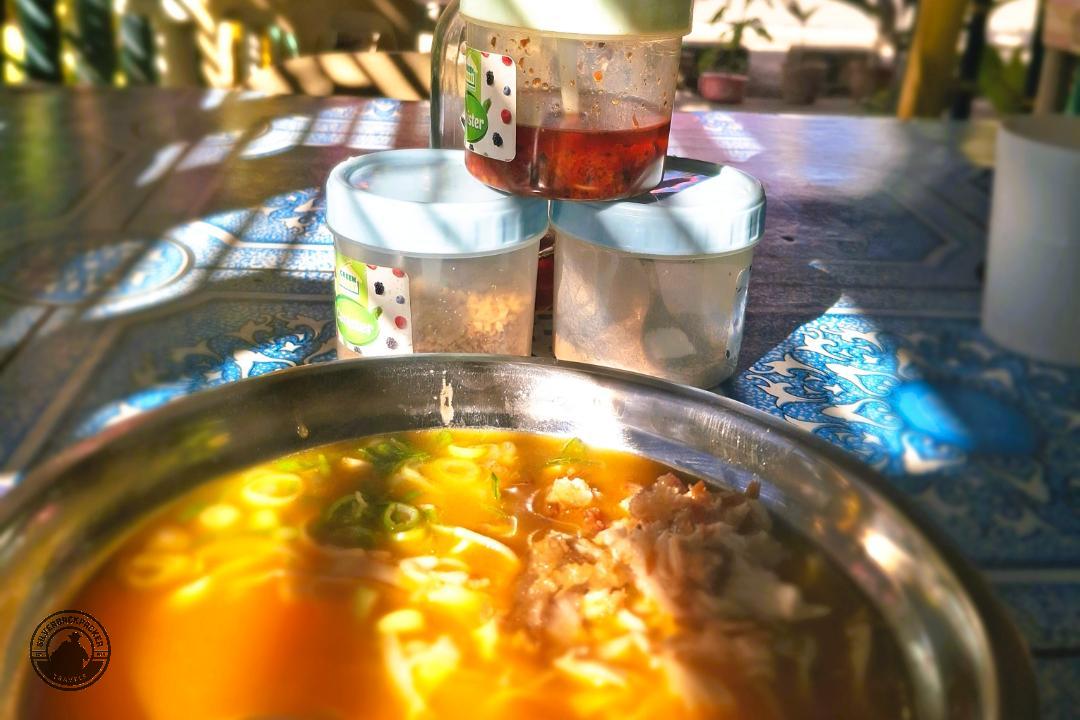
At first glance, it may look like a simple noodle soup. A clear broth. A generous heap of fresh miki noodles. Slices of meat. Perhaps a sprinkle of chopped spring onions glistening on the surface. But to anyone who has grown up in Abra, or travelled through its quiet towns and river valleys, Abra Miki is never just “noodles.” It is a comfort after a long journey. It is warmth on a cool highland morning. It is the taste of community ladled into a bowl.
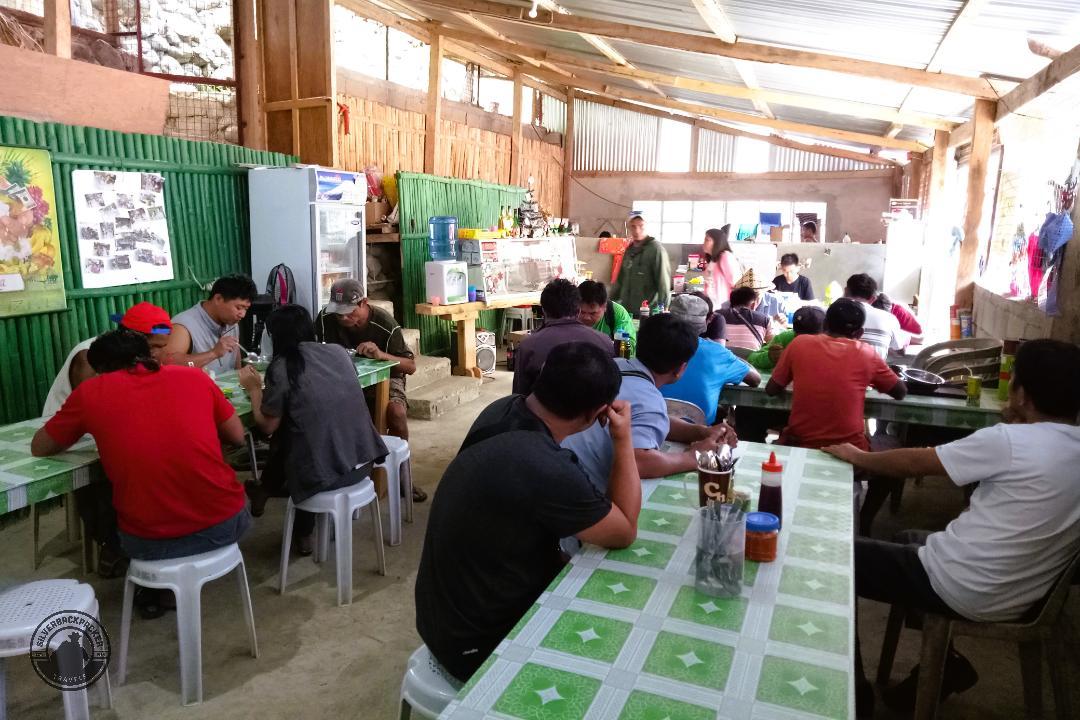
Abra Miki - A Morning Ritual
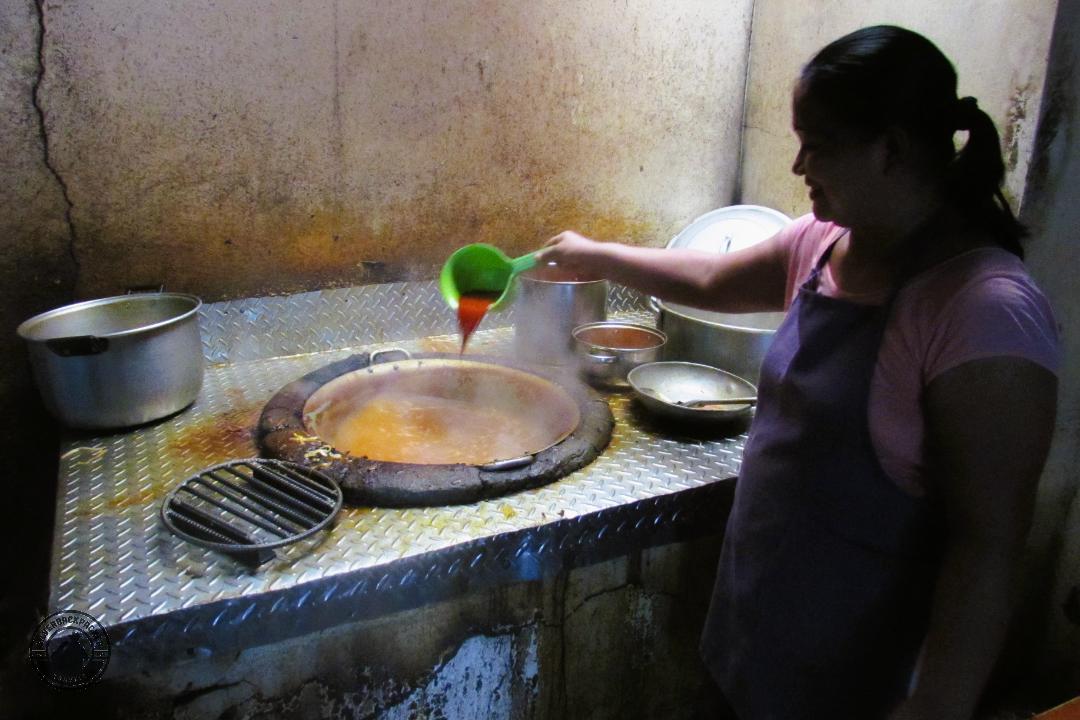
In many towns across Abra, the day begins early. Farmers head to the fields. Shopkeepers sweep their storefronts. Students in neatly pressed uniforms wait for jeepneys along the roadside. And somewhere in the background, steam rises from a large aluminium pot.
Abra Miki is often a breakfast dish. Before the sun fully claims the sky, small eateries—some no more than roadside carinderias—begin serving bowls to eager customers. The aroma of simmering broth mingles with the scent of freshly cooked noodles. You sit on a plastic stool or chair, perhaps still sleepy, and wrap your hands around the bowl as if it were a mug of tea. The first sip wakes you up better than any alarm clock.
There is something deeply grounding about starting your day this way. It feels unhurried, even if you have a full schedule ahead. It reminds you that no matter how busy life becomes, there is time for warmth.
The Noodles Themselves
“Miki” refers to egg noodles—thick, slightly chewy, and satisfying. In Abra, these noodles are typically fresh rather than dried, giving them a softer texture and richer flavour. They absorb the broth beautifully, becoming carriers of taste rather than mere fillers.
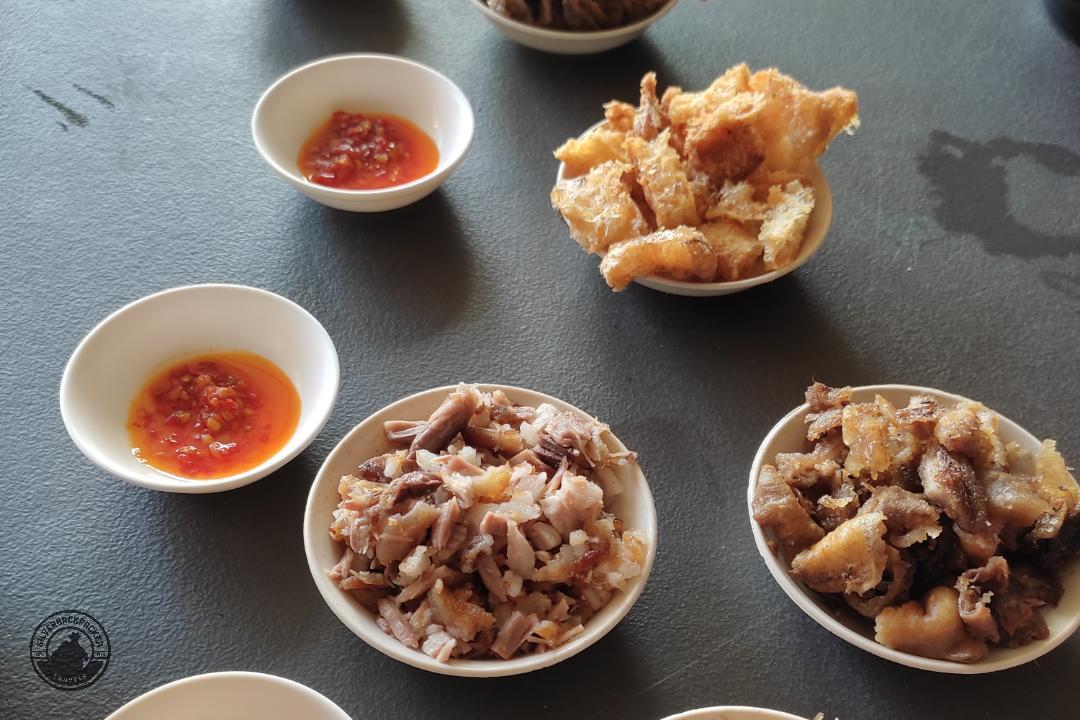
The broth is where each cook leaves their mark. Some favour a lighter, clearer stock. Others simmer beef or pork bones longer, drawing out a deeper, more robust flavour. There may be slices of pork or beef, sometimes tender and thinly cut, sometimes hearty and generous. Hard-boiled eggs are often included, adding substance and colour.
Yet for all these variations, there is a recognisable character to Abra Miki. It is not overly spiced. It does not try to overwhelm you with boldness. Instead, it comforts. It soothes. It invites you to take another spoonful.
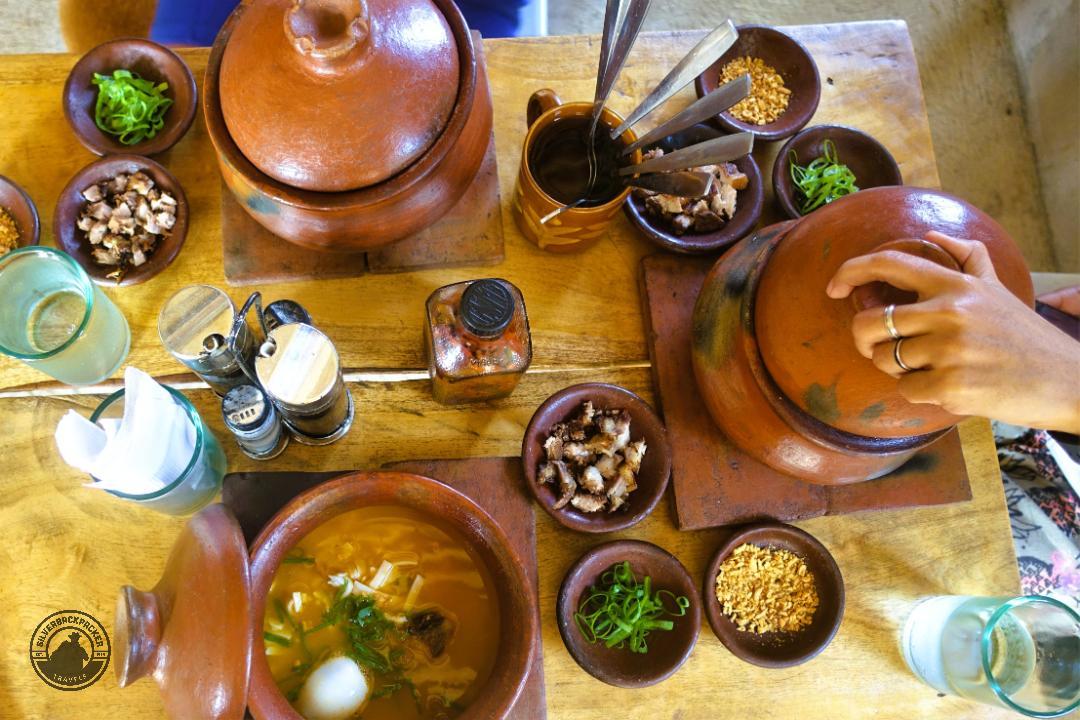
Food and Geography
Abra’s landscape shapes its cuisine. With mountains embracing its towns and the Abra River carving its path through the province, life here has always required resilience. The climate can be cool in the uplands, especially in the early hours. A hot bowl of miki makes perfect sense in such a setting.
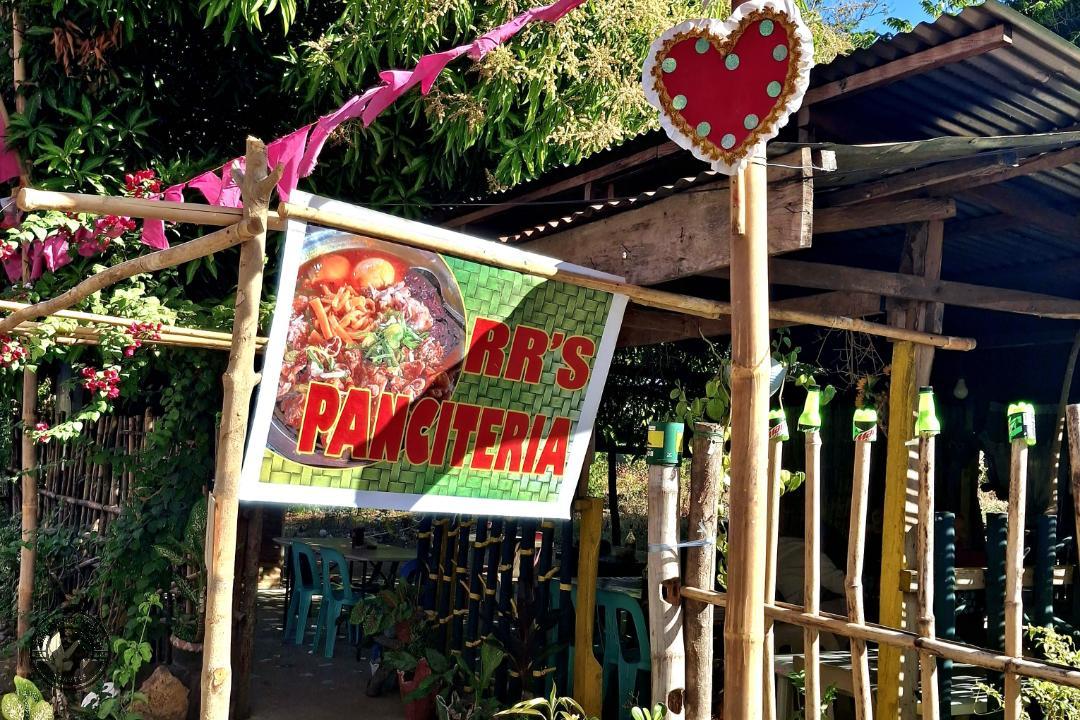
When you travel through Abra’s municipalities, you will likely encounter humble eateries proudly advertising their miki. There is no flashy marketing. No elaborate plating. Just a straightforward promise: a good bowl, served hot.
In a world where food trends come and go, Abra Miki remains steadfast. It belongs to its place. It does not try to be reinvented into something unrecognisable. It carries the quiet confidence of a dish that knows its worth.
The Social Table
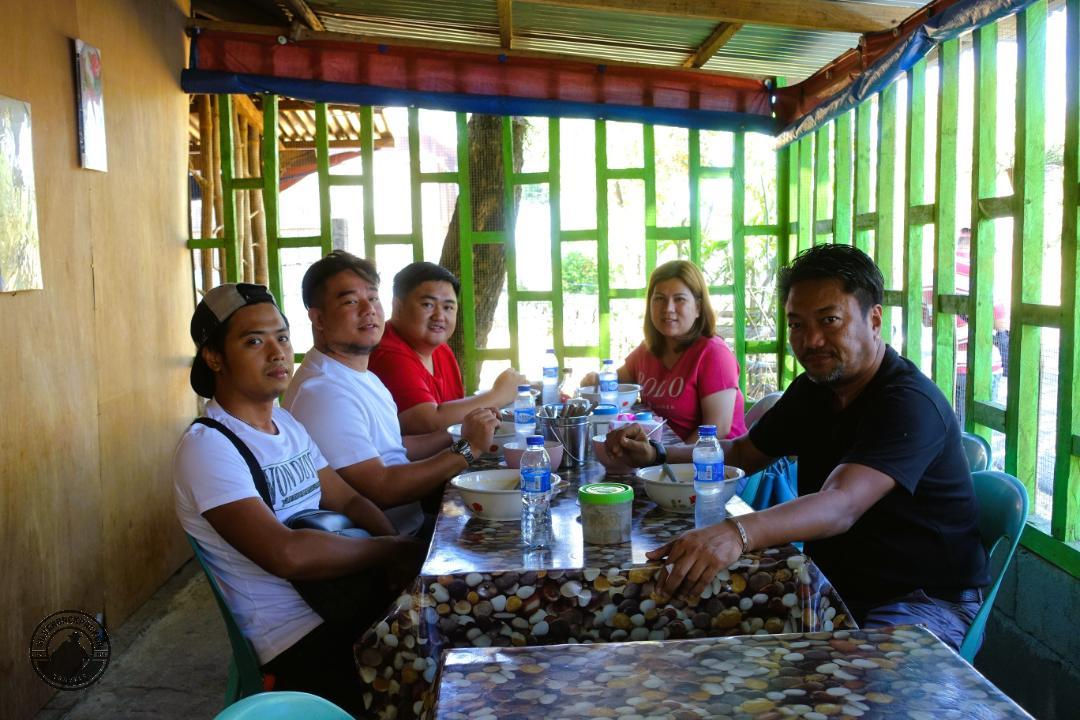
One of the true joys of Abra Miki lies not only in its taste, but in the way it brings people together.
Sit in any small miki house and you will notice how communal it feels. Conversations drift from table to table. Someone discusses harvest yields. Another talks about a relative working overseas. Students laugh over shared stories before heading to school.
Food has always been a bridge in Filipino culture, and Abra is no exception. A bowl of miki becomes an excuse to linger. To reconnect. To listen. Even visitors—outsiders passing through—often find themselves drawn into friendly exchanges.
There is something disarming about eating the same humble dish as everyone else in the room. It levels the field. Whether you are a local official, a tricycle driver, or a traveller with a backpack, you are simply another person enjoying an Abra miki.
Abra Miki - Memory in a Bowl
For many Abreños living away from home, Abra Miki carries a powerful sense of nostalgia.
The first spoonful can transport you back to childhood mornings. To the sound of roosters crowing. To the sight of mist hanging low over the hills. To the comfort of knowing your family is gathered around the same table.
Even those who now live in busy cities often speak of miki with affection. They might try to recreate it in their own kitchens, searching for the right noodles, attempting to match the familiar flavour of home. Sometimes they succeed. Sometimes it is not quite the same. But the attempt itself is a testament to the dish’s emotional pull.
Abra Miki is not extravagant, yet it leaves a lasting impression. That is its quiet power.
Simplicity as Strength
In an age when social media celebrates towering burgers and rainbow-coloured desserts, there is something refreshing about the simplicity of Abra Miki.
It does not need elaborate presentation to be worthy of praise. Its beauty lies in balance. The broth is warm but not overpowering. The noodles are soft yet firm enough to satisfy. The meat adds depth without stealing the spotlight.
This balance mirrors the character of Abra itself—unassuming, resilient, and quietly beautiful. Travellers who come expecting grand spectacle sometimes leave remembering the small, meaningful moments instead: a riverside sunset, a conversation with a local elder, a bowl of miki on a cool morning.
A Traveller’s Pause
For the wandering soul—perhaps someone exploring northern Luzon with a camera in hand—stopping for Abra Miki is more than a meal break. It is an immersion into everyday life.
You might have spent the morning photographing rolling hills or heritage churches. You might be on your way to waterfalls tucked deep in the mountains. But when you sit down with that bowl, you pause. You observe. You participate.
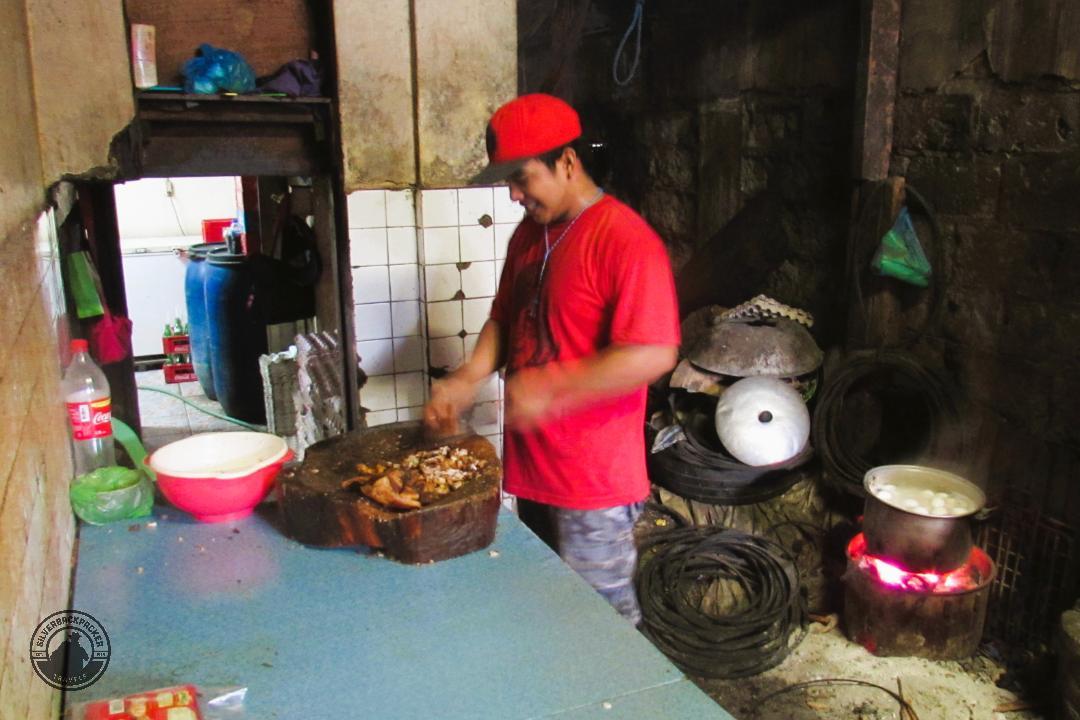
You notice how the cook moves with practised ease, assembling each bowl in seconds. You hear the rhythmic slicing of meat on a wooden chopping board. You feel the warmth rising from the soup against the cool morning air.
In that moment, you are not just passing through Abra. You are part of it.
Abra Miki is More Than Noodles
To describe Abra Miki merely as a noodle dish would be to miss its essence. It is a ritual. A memory. A conversation starter. A comforter.
Its joys are subtle rather than dramatic. They reveal themselves in the steam curling into the air, in the satisfied sigh after the first taste, in the way the bowl leaves you feeling both full and content.
In Abra, life may not always be easy. Like many rural provinces, it faces its share of challenges. Yet within the everyday rhythm of its towns, there is warmth. And sometimes, that warmth is served in a bowl.
So if you ever find yourself in Abra—perhaps wandering its roads, tracing its rivers, or exploring its stories—do not overlook the humble miki. Sit down. Order a bowl. Let the steam rise to greet you.
You may discover that the true joy of Abra Miki is not only in how it tastes, but in how it makes you feel: grounded, welcomed, and quietly at home.

SILVERBACKPACKER
Essential Travel Guides
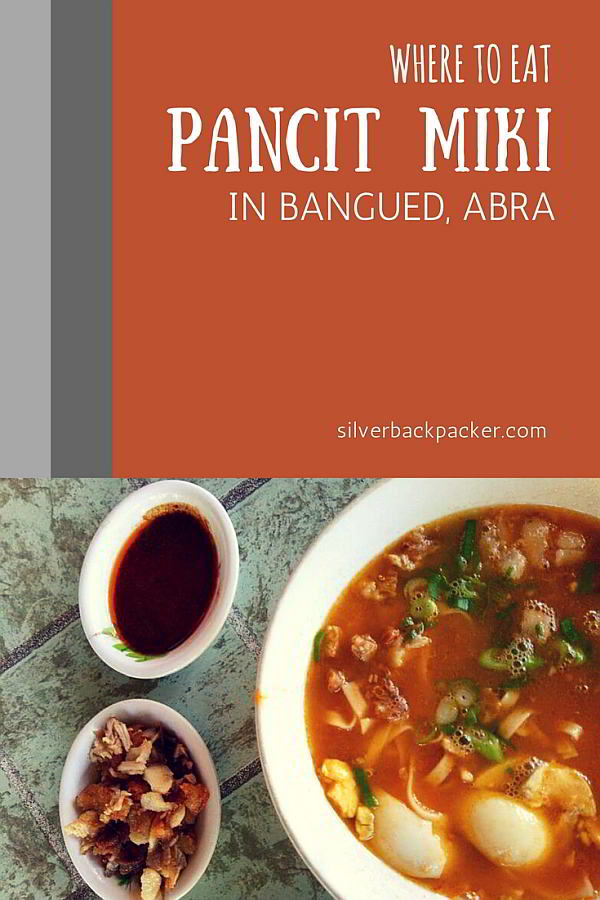
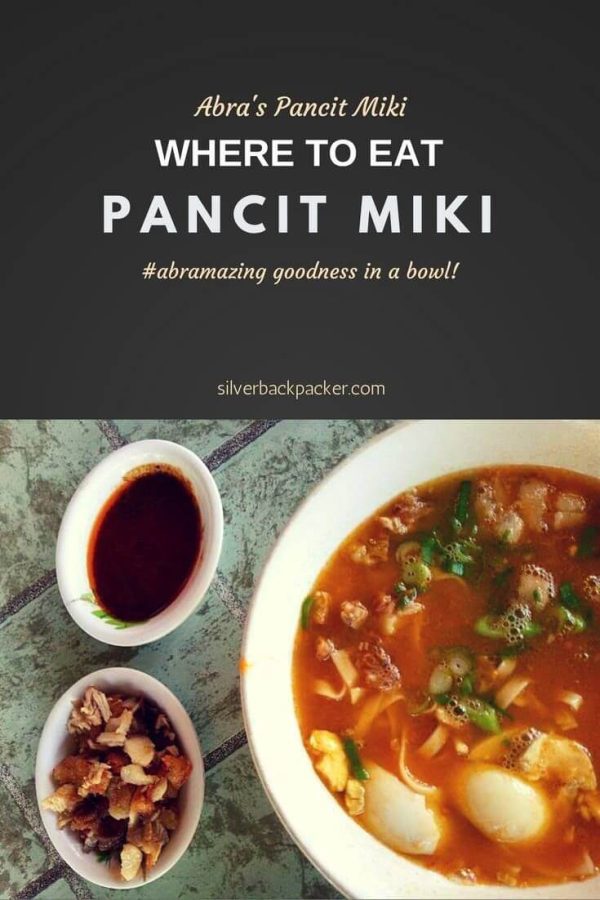
A Bowl of Home:
The Quiet Joy of Abra Miki
PIN to Read Later
PIN to Read Later
Please Note - All blog post photos on Silverbackbacker.com are of a lower quality to enable faster loading and save you data. If you would like to buy or license higher quality copies of any of the photographs you can email us at silverbackpackertravels@gmail.com
All photographs and content on this website remain the property of Silverbackpacker.com. Images may not be downloaded, copied, reproduced or used in any way without prior written consent.
Print purchases entitle the purchaser to the ownership of the image but not to the copyrights of the image which still remain with Silverbackpacker.com even after purchase.

Follow Silverbackpacker for more of his Travels
Facebook @silverbackpacker | Instagram @silverbackpacker
Twitter @silverbackpaker | Pinterest @silverbackpaker
Audere Est Facere - Silverbackpacker.com - To Dare is To Do
Affiliate Disclaimer: Links on this website may be affiliate links that could result in us receiving compensation when you purchase a product or service from that link. You do not pay any extra fees for these items. This helps us to keep this website going. Thank you for your support.
Disclaimer | Privacy Policy | Cookie Statement © All Rights Reserved